Global Solidarity to Support Indigenous Batak Peoples in Indonesia
Chances are you’ve been following the important fight to stop Line 3 and stand in solidarity with the Anishinaabe peoples. As you know, the fight for Indigenous land and sovereignty…
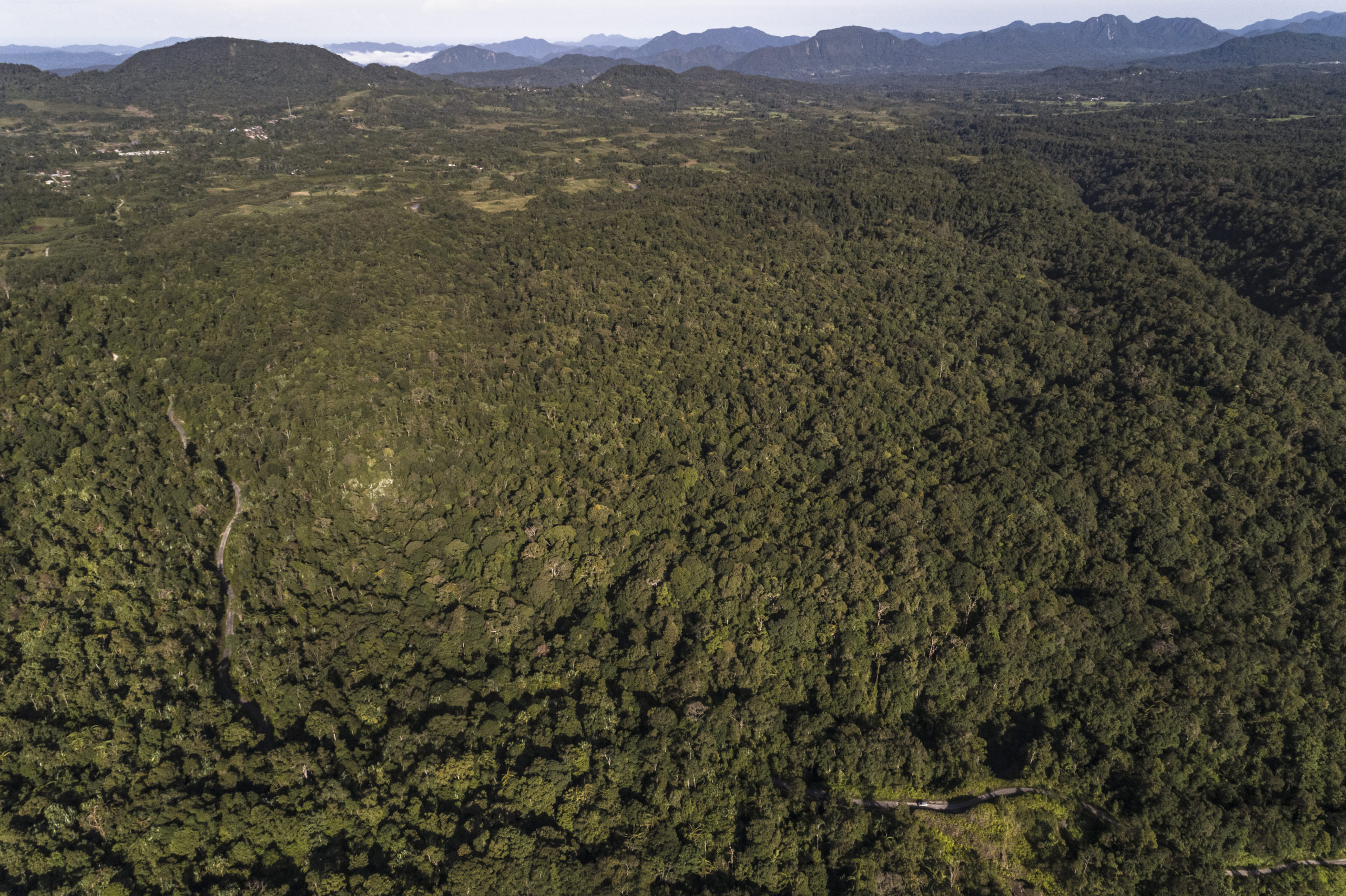
Why are banks and investors still funding Indofood?
This month, 10 banks committed another $2.1 billion in loans to Indonesian noodle giant, Indofood CBP Sukses Makmur – whose instant noodles rely on Conflict Palm Oil produced by its…
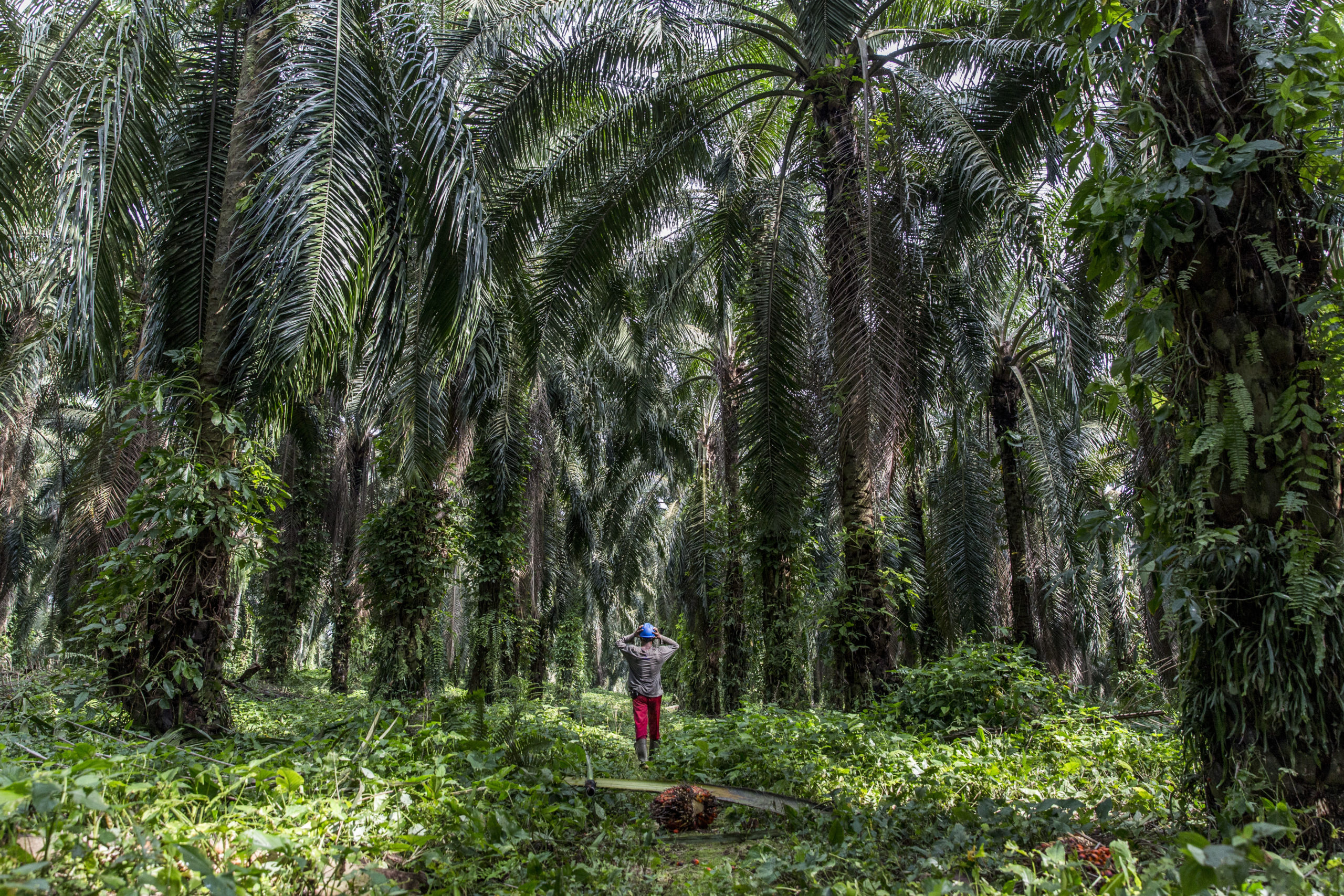
Brutal Murder in APP Plantation
Underlines the need to understand and address severe land conflicts and the disconnect between policy commitments and real change on the ground. Last Friday afternoon, February 27th, Indra Pelani, a…
Death of Community Member in Sumatra Places Asia Pulp and Paper’s Social Responsibility Commitments in Question
Indra’s burial site. Photo by Walhi Rainforest Action Network (RAN) has recently learned of the tragic news that on Friday, February 27, 2015, Mr Indra Pelani, a resident of Lubuk…
APRIL Makes A Mockery Of Its Own “Sustainable” Forest Policy
Almost six months after the release of its Sustainable Forest Management Policy, Asia Pacific Resources International Ltd (APRIL)—the second-largest Indonesian pulp & paper company—continues business-as-usual rainforest destruction, betraying the…
Tell Mars, Inc. To Set an Example for the Snack Food 20
Today I visited the corporate headquarters of Mars, Inc. with Strawberry, an orphaned orangutan from Indonesia, to let the company know that consumers all across the world want Mars to…
Tackling Indonesia’s Deforestation Crisis Together
Jakarta – As fires continue to burn the rainforests of Sumatra and customers around the world continue to raise the volume of their demands for deforestation-free products, a group of…
Clearing the Smog: RAN Pushes Companies and Governments to End Indonesia’s Deforestation Crisis
On my way to Jakarta yesterday for a series of meetings with the Tropical Forest Alliance—a consortium of government and corporate leaders from around the world working to confront the…
Good News for Species on the Brink of Extinction in Tripa
UPDATE, 9.26.12: BREAKING: Within the next 24 hours, Kallista Alam, 1 of the 5 major palm oil companies operating in Tripa, will have their operating permit WITHDRAWN. This is a…
Illegal Fires in Sumatra Escalate, Creating Regional Air Pollution Crisis
Tragically, we just received a breaking report from our allies at the End of the Icons Coalition that at least 20 major fires and dozens of smaller ones are again…